
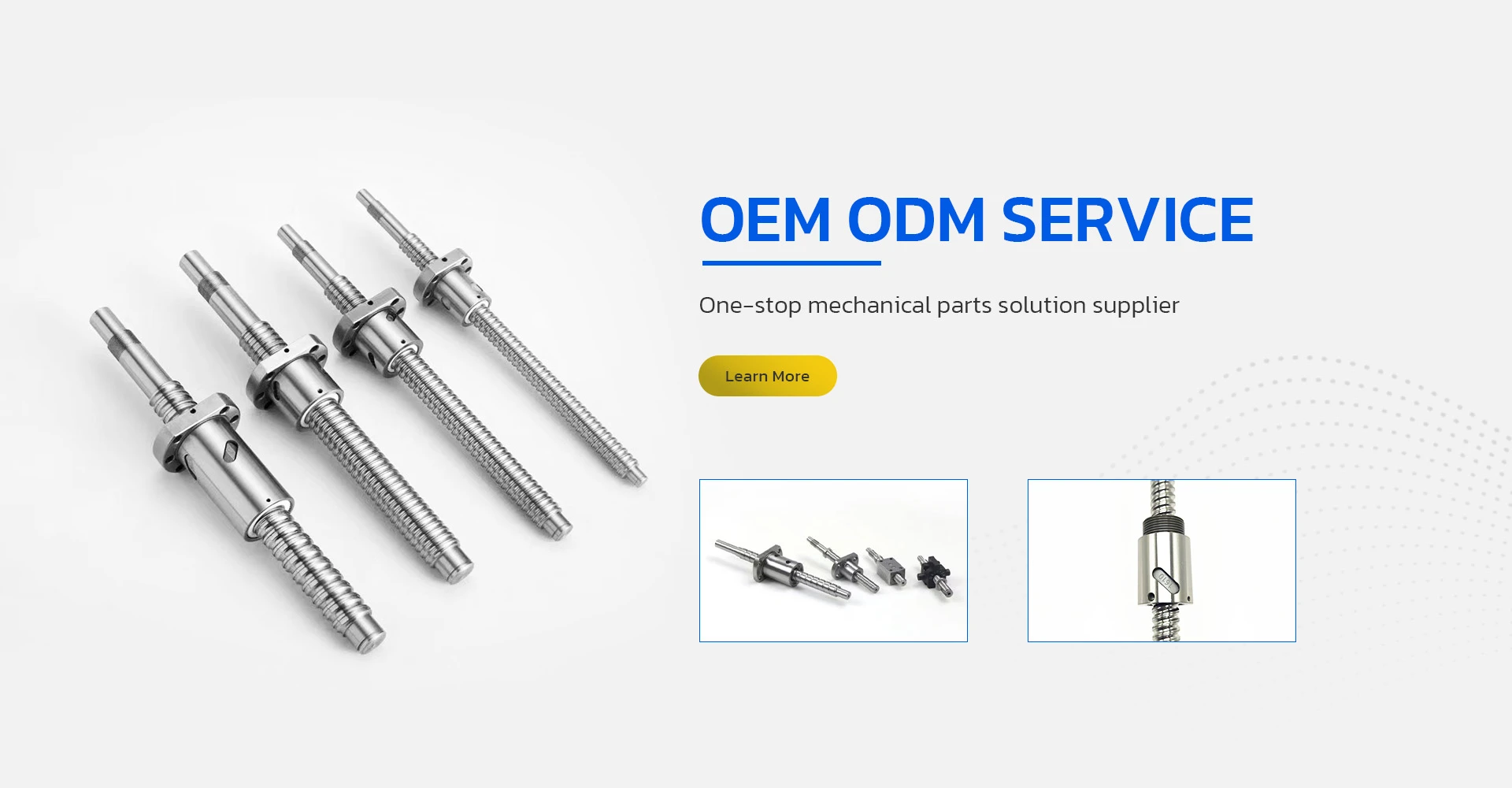







bearing ball screw
Understanding the Pivotal Role of Ball Screw Technology in Modern Industrial Motion In the intricate landscape of modern industrial automation and precision machinery, the ball screw stands as an indispensable component, serving as the backbone for converting rotary motion into precise linear motion. This fundamental mechanical device is comprised of a screw spindle and a nut, with precision-ground helical grooves. Within these grooves, recirculating balls act as the bearing elements between the nut and the screw, significantly reducing friction compared to traditional lead screws. This design innovation is not merely an incremental improvement; it represents a paradigm shift in motion control, enabling higher efficiency, greater accuracy, and extended operational life across a myriad of applications. The demand for these sophisticated linear actuators continues to surge, driven by the escalating need for automation, miniaturization, and precision in manufacturing processes globally. Industries ranging from aerospace and medical to automotive and semiconductor manufacturing heavily rely on the unparalleled performance offered by ball screw mechanisms. The technological evolution of ball screws has been relentless, with continuous advancements in material science, manufacturing precision, and design optimization leading to products that can withstand extreme conditions, deliver sub-micron accuracy, and operate with minimal maintenance requirements. This article delves deep into the multifaceted world of ball screws, exploring their foundational principles, the intricate manufacturing processes that bring them to life, their diverse applications, and the critical parameters that define their performance. We will also examine the latest industry trends, offering insights into how these pivotal components are shaping the future of industrial motion. The SFU1605 C3 Ball Screw Ground Ball Screw, for instance, exemplifies the high-precision, low-friction capabilities demanded by today's sophisticated machinery, providing a clear illustration of how specific product designs address complex engineering challenges. Its C3 accuracy class and ground finish ensure exceptional positional repeatability and smooth operation, critical for applications requiring stringent tolerances. Understanding the nuances of ball screw technology is paramount for engineers and B2B decision-makers seeking to optimize system performance, reduce energy consumption, and enhance the reliability of their industrial equipment. The transition from traditional sliding friction mechanisms to the rolling friction inherent in ball screws has fundamentally transformed the capabilities of CNC machinery, robotics, and other automated systems, enabling faster cycle times, reduced wear, and superior surface finishes in machined parts. Furthermore, the ability to achieve high thrust forces with relatively small input torques makes ball screws exceptionally energy efficient, contributing to lower operating costs and a reduced environmental footprint, aligning perfectly with modern industrial sustainability goals. The global market for ball screw technology is experiencing robust growth, propelled by the relentless drive towards industrial automation, the proliferation of robotics, and the increasing demand for high-precision manufacturing equipment across various sectors. According to recent market analysis reports, the global ball screw market size was valued at approximately USD 2.5 billion in 2022 and is projected to reach over USD 3.8 billion by 2030, exhibiting a Compound Annual Growth Rate (CAGR) of around 5.5% during the forecast period. This growth is predominantly fueled by the expansion of the machine tool industry, the rapid adoption of automation in packaging and material handling, and significant investments in semiconductor manufacturing. Geographically, Asia-Pacific dominates the market, primarily due to the high concentration of manufacturing facilities and the continuous industrialization in countries like China, Japan, and South Korea, which are leading consumers and producers of advanced machinery. North America and Europe also maintain substantial market shares, driven by technological advancements and the demand for high-performance motion control solutions in industries such as aerospace and medical devices. Key industry trends include the development of compact and lightweight ball screw designs for space-constrained applications, the integration of smart sensors for predictive maintenance and condition monitoring, and the increasing demand for customized solutions to meet specific application requirements. Manufacturers are also focusing on improving the efficiency and durability of their products through advanced surface treatments and novel material compositions, aiming to extend service life and reduce total cost of ownership. The emphasis on energy efficiency is also paramount, with continuous improvements in design to minimize friction and enhance power transmission, aligning with global sustainability initiatives. Furthermore, the rise of Industry 4.0 and the Internet of Things (IoT) is driving the development of "smart" ball screw systems that can communicate operational data, enabling real-time monitoring, remote diagnostics, and proactive maintenance strategies, thereby minimizing downtime and maximizing productivity. This shift towards intelligent motion components underscores the critical role that ball screws play in the ongoing digital transformation of industrial processes. The synergy between high-precision mechanical components like ball screws and advanced digital control systems is unlocking new levels of performance and flexibility in automated manufacturing environments. The Meticulous Craft: Deconstructing the Ball Screw Manufacturing Process The production of a high-precision ball screw is a testament to advanced engineering and meticulous manufacturing. The journey begins with the selection of high-grade materials, typically specialized alloy steels such as 50CrMo4 (EN41B), GCr15 (SAE 52100), or other proprietary tool steels, chosen for their superior hardness, wear resistance, and fatigue strength. These materials are critical to ensuring the longevity and performance of the finished product, especially under demanding operational conditions. The manufacturing process broadly involves several intricate stages: 1. Material Preparation: High-quality steel bars are sourced and cut to initial lengths, followed by annealing to relieve internal stresses and improve machinability. This foundational step is crucial for preventing deformation and cracking during subsequent processing. The quality of the raw material directly influences the final product's integrity and lifespan. 2. Thread Rolling or Grinding: a. Rolled Ball Screw : This method involves cold-forming the threads using high-pressure rolling dies. It is a cost-effective process suitable for applications where moderate precision is acceptable. The material is plastically deformed, which also enhances its surface hardness and fatigue strength. Rolled ball screws are commonly found in general industrial machinery and applications requiring robust, economical linear motion solutions. b. Ground Ball Screw : For superior precision, the threads are meticulously ground using specialized CNC grinding machines after heat treatment. This process removes material with extreme accuracy, creating precise thread profiles and achieving very tight pitch tolerances (e.g., C0, C1, C3, C5 accuracy classes according to JIS or ISO standards). The grinding process is crucial for achieving the low backlash and high positional accuracy required in applications such as machine tools and semiconductor equipment. The SFU1605 C3 Ball Screw Ground Ball Screw is a prime example of this high-precision manufacturing, where "ground" signifies the superior accuracy and finish achieved through this method. 3. Heat Treatment: After initial machining (or rolling), the screw shaft undergoes heat treatment, typically induction hardening or through-hardening, to achieve the desired surface hardness (e.g., HRC 58-62) and core toughness. This step is vital for wear resistance and preventing permanent deformation under load, significantly extending the operational life of the ball screw . Precise control of temperature and cooling rates is essential to avoid distortion and achieve optimal metallurgical properties. 4. Precision Machining and Finishing: Post-hardening, secondary machining operations are performed, including grinding of the journal ends, keyways, and mounting features. The nut and end caps are also precisely machined. For ground ball screws, the thread grinding itself is the most critical precision machining step, ensuring the precise helical path for the balls. Lapping and polishing may also be employed for ultra-high precision applications to refine surface finishes and reduce friction. 5. Assembly and Inspection: The ball screw nut, balls, and recirculation components are assembled with extreme care in cleanroom environments to prevent contamination. The balls, often made of chrome steel or ceramic (e.g., silicon nitride for specific applications due to their lighter weight and higher stiffness), are precisely sized to match the ground grooves, creating the pre-load necessary for zero-backlash operation. Each assembled unit undergoes rigorous quality control inspections, adhering to international standards such as ISO 3408 for ball screws and ISO 12240 for bearings, as well as ANSI/AGMA standards for gearing. These inspections include precise measurements of lead accuracy, cumulative pitch error, runout, backlash, and surface roughness. 6. Lubrication and Packaging: Finally, the ball screw is typically pre-lubricated with a suitable grease or oil to ensure smooth operation from installation. Protective packaging is then applied to prevent damage and contamination during transit. The entire manufacturing process is governed by stringent quality management systems (e.g., ISO 9001 certification) to ensure consistent product quality and reliability. The choice of manufacturing process, be it rolling or grinding, directly impacts the precision class and cost of the ball screw , allowing manufacturers to cater to a wide spectrum of industrial requirements. For example, ground ball screws are indispensable in high-end CNC machine tools, robotics, and aerospace applications where positional accuracy and repeatability are paramount, often achieving lead accuracies within microns. In contrast, rolled ball screws offer a more economical solution for applications where high thrust and moderate precision are sufficient, such as material handling systems or general automation. The precision of the manufacturing process, coupled with the inherent low-friction design, directly contributes to advantages like energy saving through reduced power consumption, and enhanced corrosion resistance through material selection and surface treatments, making them ideal for challenging environments like petrochemical, metallurgy, and water treatment (e.g., wastewater and potable water systems) where reliability and longevity under aggressive conditions are critical. Technical Parameters and Performance Metrics of Ball Screw Systems Selecting the appropriate ball screw for a specific application requires a deep understanding of its technical parameters and performance metrics. These parameters define the screw's capability, precision, and suitability for various operational environments. Key specifications include: 1. Nominal Diameter (D): This refers to the outer diameter of the screw shaft. Common diameters range from a few millimeters (e.g., 6mm) for compact linear stages to over 100mm for heavy-duty industrial machinery. The diameter influences the screw's rigidity, load capacity, and susceptibility to buckling. 2. Lead (L): The lead is the axial distance the nut travels for one complete revolution of the screw. It dictates the linear speed for a given rotary input. Common leads range from 1mm (fine pitch) to 50mm or more (coarse pitch). A smaller lead provides higher resolution and thrust but lower linear speed, while a larger lead offers higher speeds but less positional accuracy for a given motor resolution. For example, the SFU1605 C3 Ball Screw Ground Ball Screw typically indicates a 16mm nominal diameter and a 5mm lead, denoting a fine-pitch, high-resolution screw. 3. Accuracy Grade: This critical parameter defines the precision of the ball screw . Grades are typically classified by ISO or JIS standards. For ground ball screws, common grades are C0, C1, C3, C5, C7, C10, where C0 is the highest precision (lowest lead deviation over a given length) and C10 is the lowest. Rolled ball screws often fall into C7 or C10 categories. The C3 accuracy class of the SFU1605 C3 Ball Screw signifies excellent positional accuracy, suitable for high-precision CNC machine tools and measuring equipment where cumulative pitch error must be minimized over the entire travel length. 4. Dynamic and Static Load Capacity (Ca and Coa): These values indicate the maximum permissible axial load that the ball screw can sustain without causing permanent deformation or excessive fatigue. Dynamic load capacity (Ca) relates to the load under continuous motion, while static load capacity (Coa) is for static or momentary non-moving loads. These are crucial for calculating the expected life of the ball screw bearing components. 5. Life Expectancy (L10 Life): Expressed in revolutions or distance, this metric (e.g., L10 life) refers to the total number of revolutions or travel distance that 90% of a group of identical ball screws will achieve without exhibiting fatigue failure under specified operating conditions. It's calculated based on the applied load and dynamic load capacity, often utilizing formulas derived from ISO 3408-5. Factors like lubrication, temperature, and contamination significantly influence actual lifespan. A typical ball screw and ball nut assembly can offer operational lives in the range of millions to tens of millions of revolutions when properly maintained and operated within specified load limits. 6. Critical Speed: This is the rotational speed at which the screw shaft's natural frequency of vibration resonates, potentially leading to instability and damage. It is a crucial consideration for long, slender ball screws operating at high speeds and must be avoided during design. 7. DN Value: A factor indicating the suitability of a ball screw for high-speed operation, calculated by multiplying the nominal diameter (D) in mm by the maximum rotational speed (N) in rpm. Higher DN values (e.g., 80,000 for standard, 100,000+ for high-speed designs) indicate better high-speed performance capabilities. 8. Backlash: The axial clearance or play between the nut and the screw when the direction of motion is reversed. While some backlash is inherent in most designs, pre-loading (using oversized balls or double nuts) can eliminate or significantly reduce it, achieving a "zero-backlash" condition critical for precision positioning. 9. Rigidity: Refers to the resistance of the ball screw system to elastic deformation under load. Both axial rigidity and torsional rigidity are important, particularly in applications requiring high stiffness and minimal deflection. These parameters are interdependent and must be considered holistically during the design and selection process. Understanding the interplay between lead, diameter, accuracy, and load capacities allows engineers to optimize the performance and longevity of their motion control systems, ensuring that the chosen ball screw meets the exact demands of its intended application. Comparative Table: Common Ball Screw Parameters Parameter Description Typical Range/Value Impact on Performance Nominal Diameter (D) Outer diameter of the screw shaft. 6mm to 120mm+ Influences rigidity, load capacity, critical speed. Lead (L) Axial travel distance per revolution. 1mm to 50mm+ Determines linear speed and resolution. Accuracy Grade Precision level (deviation in lead accuracy). C0 (highest) to C10 (lowest) Impacts positional accuracy, repeatability. (e.g., SFU1605 C3 means 0.008mm/300mm max lead error). Dynamic Load Capacity (Ca) Max permissible load under motion. Hundreds of N to hundreds of kN Crucial for calculating service life. Critical Speed Resonance speed of the screw shaft. Varies significantly with length and diameter. Must be avoided; limits maximum operating speed. DN Value Diameter x RPM, indicates high-speed capability. Standard: 80,000; High-speed: 100,000+ Higher values allow faster operation. Backlash Axial play between nut and screw. Typically 0.05mm - 0.2mm (standard), 0mm (pre-loaded) Affects positional accuracy and repeatability. Versatile Applications and Unparalleled Advantages of Ball Screw Technology The inherent design of the ball screw , which replaces sliding friction with rolling friction through the use of precisely engineered ball screw balls , endows it with a suite of advantages that make it a cornerstone in numerous advanced industrial applications. These benefits are not merely incremental; they fundamentally transform the capabilities of machinery, enabling higher throughput, superior product quality, and reduced operational costs. One of the most significant advantages is its remarkably high efficiency, typically ranging from 90% to 95%. This starkly contrasts with traditional lead screws, which often operate at efficiencies below 50%. The minimal friction in a ball and screw mechanism means that less power is required to generate a given amount of thrust, leading directly to substantial energy savings. This is particularly crucial in large-scale industrial operations where numerous motion axes are in constant use, translating into significant reductions in energy consumption and operational expenses over the lifetime of the equipment. For instance, in a typical CNC machining center, a shift from lead screws to ball screws can reduce the power consumption of linear axes by 30-50%, demonstrating a clear economic benefit. Furthermore, the low friction also means less heat generation, which is vital for maintaining thermal stability and accuracy in precision applications. Excessive heat can lead to thermal expansion, causing dimensional inaccuracies in machined parts, a critical concern in industries demanding micron-level precision. Another paramount advantage is the exceptional positional accuracy and repeatability offered by ground ball screw systems. With accuracy grades reaching C0 or C1, these components can achieve positional errors as low as a few micrometers over extended travel lengths. This level of precision is indispensable for applications like high-end CNC machine tools, where the quality of the machined surface and the dimensional integrity of the part are directly dependent on the accuracy of the linear motion. In semiconductor manufacturing, for example, the precise positioning of wafers requires such exacting standards, making ball screw technology indispensable. The ability to achieve virtually zero backlash through pre-loading techniques further enhances repeatability, ensuring that the tool or workpiece returns to the exact same position every time, irrespective of the direction of motion. This capability is critical for complex multi-axis interpolation and contouring operations. The stiffness of the ball screw system is also a significant advantage. Its robust construction and the rolling contact of the balls provide high axial and torsional rigidity, minimizing deflection under load. This stiffness contributes directly to the stability of the machine, reducing vibration and chatter, and ultimately improving the surface finish and dimensional accuracy of manufactured components. For instance, in heavy-duty presses or injection molding machines, the high rigidity of a ball screw bearing setup ensures consistent clamping forces and precise mold alignment, leading to higher quality products and reduced material waste. The extended service life and reduced maintenance requirements are also compelling reasons for the widespread adoption of ball screw technology. Unlike lead screws that rely on sliding friction, which inherently causes wear and requires frequent lubrication, the rolling action in a ball and screw mechanism significantly reduces wear on the mating surfaces. When properly lubricated and protected from contaminants, a ball screw can operate for tens of thousands of hours or millions of cycles before requiring significant maintenance or replacement. This longevity translates into lower total cost of ownership (TCO) for industrial equipment, as downtime for maintenance is minimized and replacement part expenditures are reduced. Moreover, many modern ball screws feature integrated lubrication systems or sealed designs, further extending their maintenance intervals and reliability in harsh industrial environments. The ability to handle high thrust loads with relatively small input torques is another crucial benefit. This characteristic makes them ideal for applications requiring substantial force exertion, such as plastic injection molding machines, metal forming presses, and large gantry systems, where powerful linear motion is required without excessive motor size or energy consumption. The SFU1605 C3 Ball Screw Ground Ball Screw, with its robust design and precision engineering, excels in such demanding scenarios, providing reliable and efficient linear actuation. The broad applicability of ball screw technology spans across a vast array of industries, each benefiting from its specific advantages. In the machine tool industry, from small-scale engraving machines to massive gantry mills, ball screw systems are integral to the linear axes of CNC lathes, milling machines, grinders, and machining centers. They provide the precise, rapid, and repeatable movements necessary for cutting, shaping, and finishing materials with high accuracy and efficiency. Without the precision afforded by components like the SFU1605 C3 Ball Screw, achieving the intricate geometries and tight tolerances required in modern manufacturing would be virtually impossible. In the rapidly expanding field of industrial robotics, ball screw actuators drive the linear joints of Cartesian robots, SCARA robots, and robotic arms, enabling agile and precise manipulation of workpieces and tools. Their high force-to-size ratio and excellent repeatability are critical for tasks such as pick-and-place, assembly, and welding in automated production lines. The semiconductor industry relies heavily on ultra-high precision ball screw systems for wafer handling, inspection equipment, and lithography machines, where sub-micron positioning is the norm. The pristine environment of cleanrooms also demands components with minimal particulate generation, which precisely ground ball screw designs can offer. Beyond these high-tech sectors, ball screw applications extend into medical equipment, where they are used in MRI machines, CT scanners, surgical robots, and patient positioning systems, requiring smooth, precise, and reliable motion for diagnostic and therapeutic purposes. The aerospace industry utilizes them in flight control surfaces, landing gear actuation, and satellite positioning systems, where reliability under extreme conditions and high load capacity are paramount. In general automation, ball screw technology powers automated guided vehicles (AGVs), material handling systems, packaging machinery, and assembly lines, improving speed, efficiency, and reliability of logistics and production processes. The automotive industry employs them in assembly lines, welding robots, and testing equipment. Furthermore, in specialized industries such as petrochemical and metallurgy, where conditions can be harsh, custom ball screw designs with enhanced corrosion resistance (e.g., stainless steel, special coatings) and robust sealing mechanisms are employed for valve actuation, furnace control, and material feeding systems, ensuring reliable operation even in the presence of corrosive agents, high temperatures, or abrasive particles. For instance, in large-scale valve actuation within petrochemical plants, a robust ball screw and ball nut assembly ensures precise control of fluid flow, contributing to operational safety and efficiency. In the water supply and drainage sector, specifically in large-scale gate valve or sluice gate actuation within municipal water treatment plants or hydroelectric dams, heavy-duty ball screw systems provide the necessary powerful and precise linear force to open and close massive gates, ensuring reliable flow control and safety. Their ability to deliver high thrust with minimal backlash, combined with long operational life and low maintenance, makes them ideal for critical infrastructure applications where failure is not an option. This wide adoption across diverse sectors underscores the versatility and indispensable nature of ball screw technology in driving forward industrial progress and precision manufacturing. Manufacturer Comparison: Navigating the Landscape of Ball Screw Suppliers The global market for ball screw technology is populated by a diverse array of manufacturers, each with distinct specializations, product offerings, and geographical strengths. Understanding the differences between these key players is crucial for B2B decision-makers seeking the optimal motion control solution for their specific applications. Prominent manufacturers like ball screw THK (Japan), NSK (Japan), Bosch Rexroth (Germany), Schneeberger (Switzerland), and HIWIN (Taiwan) represent the vanguard of innovation and quality in this sector. THK is widely recognized as a pioneer in linear motion technology, having developed the first commercialized linear motion guide. Their ball screw products are highly regarded for their precision, reliability, and innovative designs, including their Caged Ball technology which improves smoothness and extends life. THK offers a comprehensive range from miniature to large-diameter ball screws, catering to high-end machine tools, semiconductor equipment, and medical devices. Their products, often featuring patented recirculation systems for their ball screw balls , are synonymous with Japanese engineering excellence and are frequently chosen for applications demanding the utmost in accuracy and durability. NSK , another Japanese powerhouse, is a global leader in bearings and motion control products. Their ball screw offerings are extensive, encompassing ground and rolled types, and are known for their high load capacities and long service life. NSK emphasizes robust design and stringent quality control, making their products a preferred choice in heavy machinery, robotics, and automotive manufacturing. They also offer specialized types, such as high-speed ball screws and those designed for cleanroom environments, demonstrating their versatility and commitment to addressing diverse industrial needs. Bosch Rexroth , a German engineering giant, provides integrated drive and control solutions, with their ball screw range being a critical component of their comprehensive portfolio. Their products are characterized by robust construction, high rigidity, and excellent performance in demanding industrial applications, particularly in machine tools and automation systems. Bosch Rexroth focuses on energy efficiency and smart manufacturing solutions, often integrating their ball screws into complete linear motion systems that include drives, motors, and controls. Their emphasis on system integration ensures seamless operation and optimized performance across various applications. Schneeberger , a Swiss company, is renowned for its ultra-precision linear motion products, including high-accuracy ball screw systems. They specialize in ground ball screws for the most demanding applications in metrology, optics, and semiconductor manufacturing, where sub-micron precision is paramount. Their expertise lies in delivering customized solutions for complex motion challenges, leveraging their deep understanding of precision grinding and measurement techniques. Their commitment to extreme precision sets them apart in the high-end segment of the market. HIWIN , based in Taiwan, has emerged as a significant global player, offering a broad spectrum of ball screw products that balance performance with cost-effectiveness. They provide a wide range of ground and rolled ball screws, linear guides, and integrated motion control solutions. HIWIN is known for its ability to produce high volumes while maintaining competitive pricing and solid quality, making them a popular choice for general automation, machine tools, and medical equipment across various budget points. Their aggressive expansion and continuous R&D efforts have solidified their position as a reliable alternative to traditional market leaders. When comparing these manufacturers, factors such as accuracy grade (e.g., C3 for SFU1605 C3 Ball Screw), lead time, technical support, price-to-performance ratio, and customization capabilities become paramount. While premium brands like THK and NSK might offer the absolute highest precision and unique patented technologies, other manufacturers like HIWIN provide excellent value with robust standard products and increasing capabilities in customization. Ultimately, the best choice depends on the specific application requirements, budget constraints, and the level of technical support needed. Evaluating manufacturer reputation, adherence to international standards (e.g., ISO, JIS), and customer service track record are also essential steps in making an informed decision. Furthermore, considering the availability of local distribution and service networks can be a critical factor, especially for minimizing downtime and ensuring timely support for complex industrial operations. Manufacturer Comparison: Ball Screw Key Offerings Manufacturer Origin Specialization / Strengths Key Product Series/Features Typical Applications THK Japan Pioneer in LM Guides; high precision, patented Caged Ball technology. BNK, BSS, HBN series; high-speed, low noise, long life. Machine Tools, Semiconductor, Medical, Robotics. NSK Japan Global bearing leader; robust, high load capacity, extensive range. HTF, W-series, A-series; high rigidity, low noise, cleanroom options. Heavy Machinery, Robotics, Automotive, General Industrial. Bosch Rexroth Germany Integrated drive & control systems; robust industrial solutions. Rolled (Ecoline) and Ground (Precisions); high load, energy efficiency. Automation, Machine Tools, Packaging, Assembly. Schneeberger Switzerland Ultra-precision linear motion; highly customized solutions. BSN, BSP series; highest accuracy grades (C0), specialized applications. Metrology, Optics, Semiconductor, High-end Scientific Instruments. HIWIN Taiwan Cost-effective, wide range of standard and custom products. Ground and Rolled types (e.g., SFU, DFU series); good balance of quality and price. General Automation, Machine Tools (mid-range), Medical, Packaging. Tailored Excellence: Custom Ball Screw Solutions for Unique Challenges While standard ball screw products like the SFU1605 C3 Ball Screw Ground Ball Screw cater to a vast range of industrial needs, numerous applications present unique challenges that necessitate tailored solutions. The ability to provide custom ball screw designs is a hallmark of an expert manufacturer, reflecting deep engineering knowledge and flexible production capabilities. Customization extends beyond merely modifying standard lengths or end-machining; it encompasses alterations in material composition, thread geometry, nut design, ball circulation methods, and the integration of specialized features to meet specific performance requirements or environmental constraints. One common area for customization is material selection. For applications exposed to corrosive environments, such as those in petrochemical processing, marine equipment, or food and beverage industries, standard alloy steel ball screws may not suffice. Here, custom solutions often involve the use of stainless steels (e.g., SUS304, SUS316L) or special coatings (e.g., hard chrome plating, black oxide, anti-corrosion coatings) to enhance corrosion resistance without compromising mechanical integrity. Similarly, for applications operating at extreme temperatures, either very low (cryogenic) or very high, specialized heat treatments and material alloys are employed to maintain dimensional stability and performance. For
Our Bearings And Technology
One-stop linear motion supplier, product solution provider
small rack and pinion
Precision Linear Motion: Understanding gear and rack Systems In high-precision industrial applications, the synergy between a pinion and a linear rack is paramount for converting rotary motion into precise linear movement. This article delves into the intricate world of gear and rack systems, exploring their fundamental role, advanced manufacturing processes, diverse application scenarios, and cri

rack pinion gear
Precision Linear Motion: Understanding gear and rack Systems In high-precision industrial applications, the synergy between a pinion and a linear rack is paramount for converting rotary motion into precise linear movement. This article delves into the intricate world of gear and rack systems, exploring their fundamental role, advanced manufacturing processes, diverse application scenarios, and cri

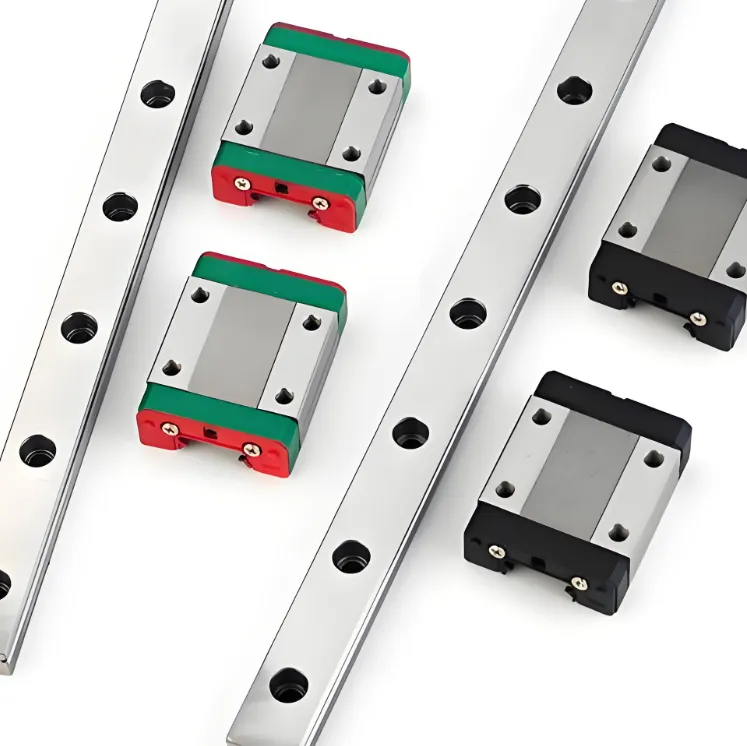
sbc linear guide
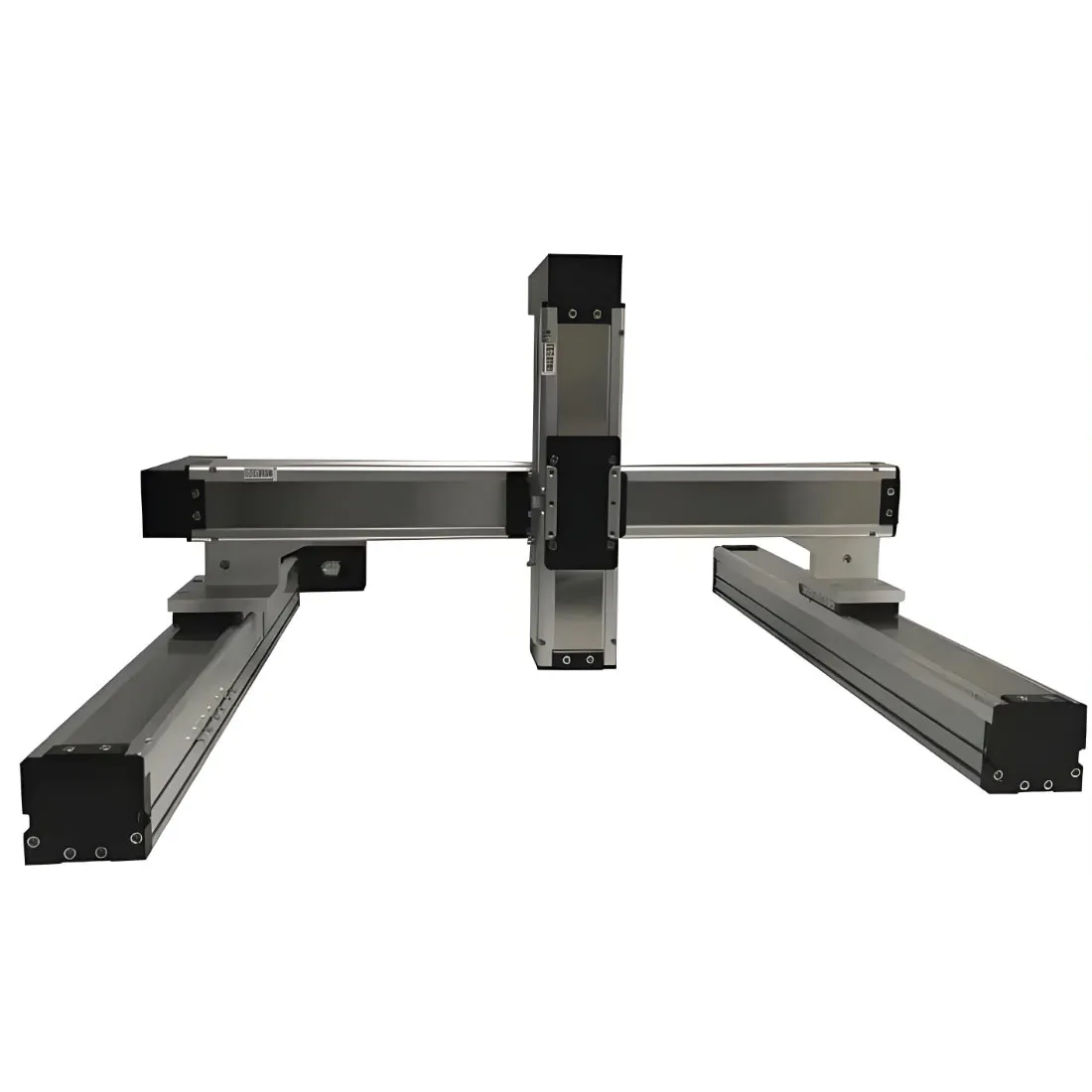
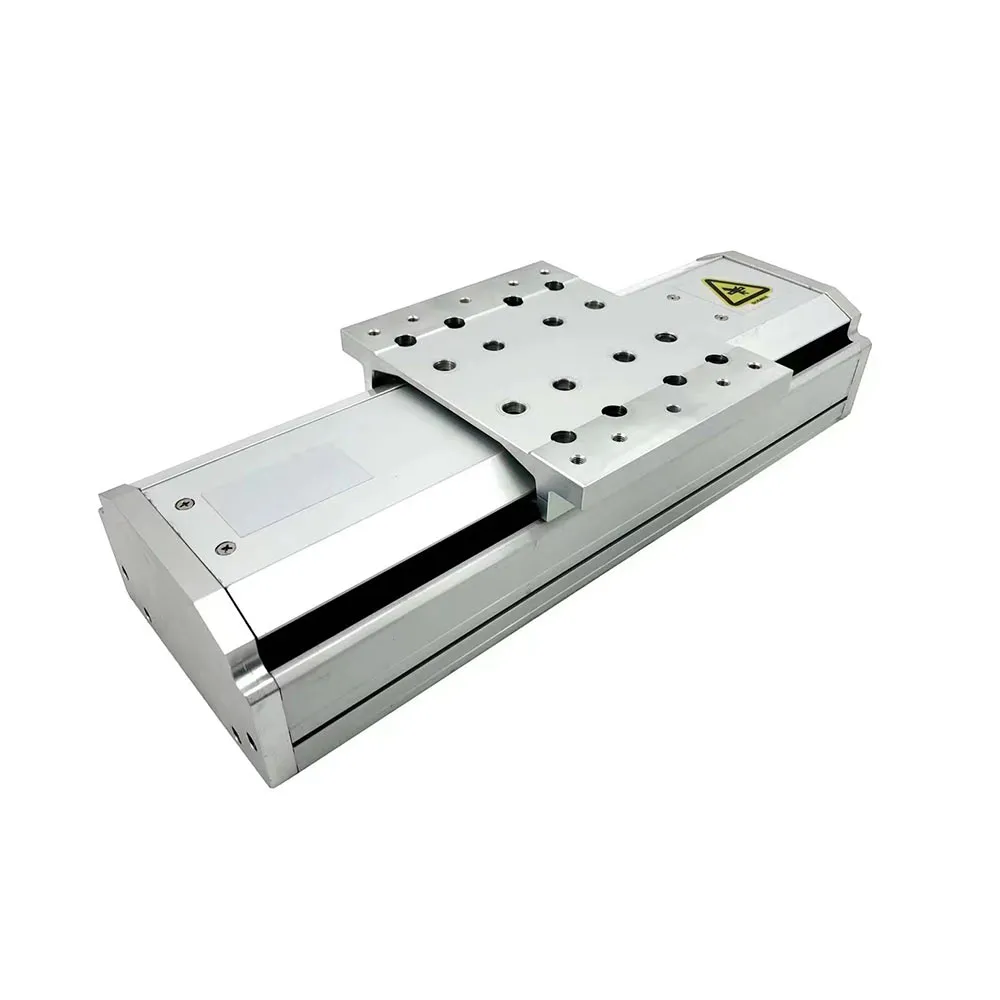
The KK Series Linear Module represents a cutting-edge solution in industrial automation, combining modular design, advanced engineering, and customizable configurations to meet the diverse needs of modern manufacturing. This article provides an in-depth exploration of the product's features, technical specifications, applications, and the company behind it, while incorporating authoritative refere
608rs bearing
In the world of machinery and mechanical systems, bearings are the unsung heroes that enable smooth motion, reduce friction, and support loads across countless applications. From industrial equipment to precision instruments, the right bearing can mean the difference between efficient operation and costly breakdowns. Among the diverse range of options, bearing types vary significantly in design an
YIDI MOTION offer v good service. Delivery: Very fast Quality: High performance Service: Help me much with my products The ball screw is well, I use it on my machine, worke properly.

When picking a supplier we balance price, quality, professionalism, and lead time. Although your quote is not the cheapest, we value your professionalism and expertise in making ball screws.so we choose YIDI as our final supplier

I have visited Yidi Company last year, they can provide a lot of laser equipment accessories, professional is very good, and to our new products to provide very good solutions

We repair a lot of screw, the number is small, Yidi can order a piece, and according to our drawings machining shaft end, perfect for our equipment, this service is great

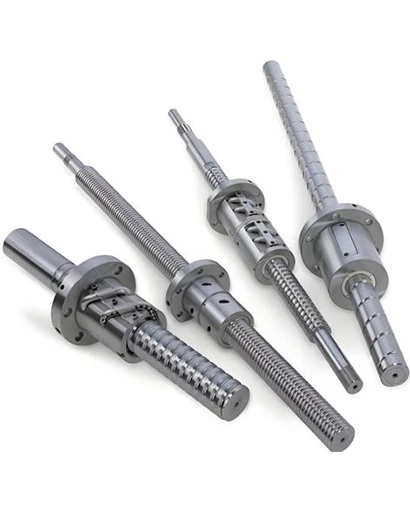
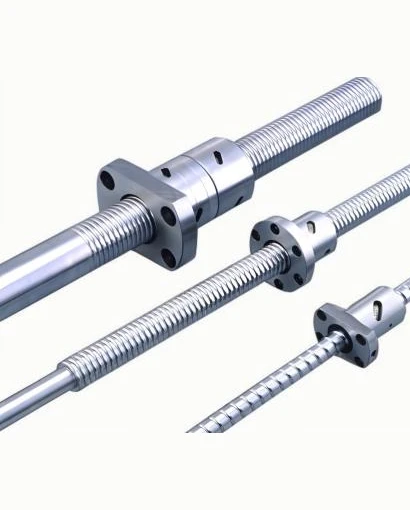
Compared With Traditional Sliding Screws, Ball Screws Transmit Power Through Rolling Friction, With A Mechanical Efficiency Of More Than 90%, Which Significantly Saves Energy. With Extremely Small Backlash And Predictable Linear Motion Accuracy, They Are Suitable For High-Precision Cnc Equipment, Automated Machinery And Other Scenarios.
Quickly find the problems you encounter most often
Follow Our Blog
Gear And Rack is a key solution in the manufacturing industry, specifically within General eq
2026-04-02 06:31

KK Series Linear Module-HEBEI YIDI IMPORT AND EXPORT TRADING CO., LTD._Precision Engineering for Ind
Gear And Rack is a key solution in the manufacturing industry, specifically within General eq
2026-04-02 06:27
Gear And Rack is a key solution in the manufacturing industry, specifically within General eq
2026-04-02 05:07


